Oct 15, 2026 | UK Shift Pattern, Work Laws
Key Takeaways There is no absolute ban on 14-hour shifts. The Working Time Regulations 1998 cap average weekly hours at 48 but do not set a maximum daily shift length. The 48-hour limit is an average, calculated over a 17-week reference period. Workers can opt out of...
Feb 18, 2026 | UK Shift Pattern
The decision between full-time and part-time work represents a crucial choice that both employers and employees must make. Workers experience three main effects from this decision since it determines their income, work-life balance, and career path. Businesses use...
Feb 11, 2026 | UK Shift Pattern
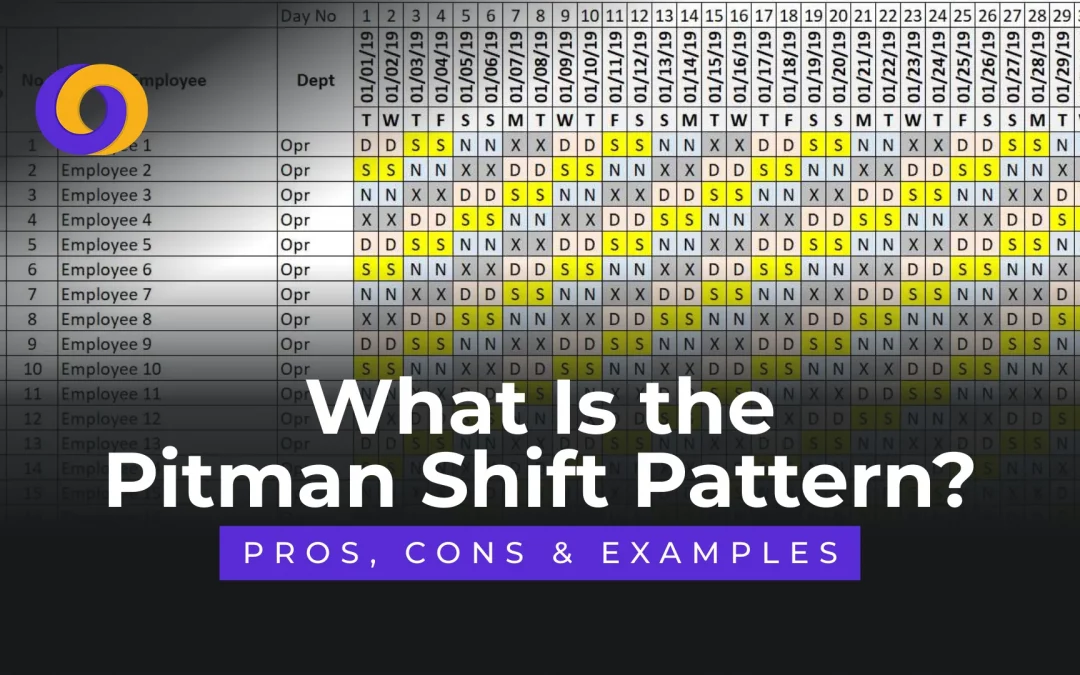
From hospitals and manufacturing facilities to emergency dispatch centres, the search for the ideal timetable is unrelenting in the 24/7 operating environment. Managers want constant coverage; workers seek stability and a life outside of work. For this, the Pitman...
Dec 5, 2025 | UK Shift Pattern
Imagine a chemical plant wherein teams operate in perfect synchronicity over 365 days, keeping continuous operations while yet granting workers numerous straight days off each month. Born from one of the biggest chemical producers in the world, the Dupont shift...
Dec 5, 2025 | UK Shift Pattern
Imagine a hospital that does not have doctors to work night shifts or a factory that does not operate around the clock. Seems odd, right? Work shift patterns are now common in modern industry and account for a lot of work that is done today in supporting modern life. ...
Dec 5, 2025 | UK Shift Pattern
Three days on, three days off. Every other week you get a Saturday and a Sunday back to back, and you never work more than three days in a row. Put like that it sells itself, which is why the pattern has spread well beyond the control rooms and plants where it...